

Workwear Manufacturing


Workwear Manufacturing: Trends, Innovations, and Future Opportunities
Manufacturers of sportswear and workwear are navigating a dynamic, ever-evolving industry. With the rise of new technologies, sustainability demands, and changing consumer behaviors, these manufacturers must adapt to meet the growing needs of diverse markets. Whether creating high-performance apparel for athletes or durable, functional clothing for workers, manufacturers are challenged to stay at the forefront of innovation while maintaining quality, affordability, and efficiency. This article explores the latest trends, technologies, and strategies shaping the sportswear and workwear manufacturing sectors.
Sportswear Manufacturing: Trends and Innovation
The sportswear market has exploded over the past few decades, with athleisure taking center stage as both a fashion trend and a practical lifestyle choice. People are increasingly seeking versatile clothing that supports athletic performance and can be worn in everyday settings. This has led to a shift in how manufacturers approach product development, emphasizing functionality, comfort, and style.
1. Technological Advancements in Fabrics
A key area of innovation in sportswear is the development of high-performance fabrics that enhance athletic performance. Manufacturers are increasingly using moisture-wicking materials, breathable textiles, and lightweight fabrics that help regulate body temperature during intense physical activity. Fabrics like polyester, spandex, and nylon are designed to keep the body dry, reduce chafing, and allow for maximum flexibility and movement.
Moreover, advancements in smart textiles are opening up new possibilities. Fabrics embedded with sensors can monitor biometric data such as heart rate, body temperature, and muscle activity. These “smart clothes” are particularly popular among athletes, fitness enthusiasts, and those looking to optimize their physical performance.
2. Sustainability in Sportswear
Sustainability has become a major consideration for consumers, and manufacturers are responding by investing in eco-friendly materials and processes. Many brands are moving toward sustainable alternatives such as recycled polyester, organic cotton, and biodegradable fabrics to reduce their environmental footprint. The shift toward sustainable manufacturing practices also includes reducing water and energy consumption during production and minimizing waste.
The rise of circular fashion is a significant movement in the sportswear sector, encouraging manufacturers to design products that can be easily reused, recycled, or upcycled. Brands are exploring clothing rental and resale models to extend the lifecycle of their products, thereby contributing to a more sustainable industry.
3. Customization and Personalization
Today’s consumers seek personalized and customizable products, and sportswear is no exception. From customized team jerseys to bespoke athletic gear, manufacturers are leveraging technology such as 3D printing and digital printing to offer individualized designs. This trend is especially prominent in performance apparel, where athletes want gear tailored to their specific measurements and needs.

In addition, personalization has extended to aesthetic choices. Brands are incorporating unique patterns, colors, and logos, giving customers the ability to express their personal style while still benefiting from high-performance functionality.
Workwear Manufacturing: Combining Durability and Comfort
Workwear is another growing segment, and its demands are just as unique as those in sportswear. The primary goal of workwear is to provide garments that are durable, comfortable, and protective. However, as the workplace environment evolves, manufacturers must balance functionality with style, especially as casual work attire and ergonomically designed clothing become more popular.
1. Enhanced Safety Features
The top priority for workwear is safety, and manufacturers are constantly developing innovative products to meet rigorous standards. Many workwear garments now feature flame-resistant fabrics, high-visibility materials, and protective elements like padding and impact-resistant layers. For example, work trousers with knee reinforcement are becoming common in industries such as construction, where knee protection is essential. Similarly, workers in industrial settings benefit from clothing made from cut-resistant materials such as Kevlar, which can prevent injuries in hazardous environments.
Manufacturers are also integrating additional safety features such as reflective stripes, which enhance visibility in low-light conditions. Smart workwear is also making its way into the market, with embedded sensors that monitor the wearer’s health, detect hazardous environmental conditions, or even track the worker’s location on a site for safety purposes.
2. Weather Protection and Comfort
Workwear must be designed to perform under extreme weather conditions. From heavy-duty insulated jackets and thermal wear for cold climates to moisture-wicking fabrics and breathable garments for hot environments, manufacturers are tailoring their products to ensure worker comfort no matter the conditions. Layering systems are increasingly popular, offering flexibility for workers to adjust their clothing to the changing weather.
Additionally, ergonomic designs are becoming essential for ensuring comfort during long shifts. Workwear with integrated stretch fabrics, padding, and reinforced seams help reduce fatigue and prevent injuries from repetitive motions, making it an important consideration for manufacturers.
3. Durability and Longevity
Unlike typical fashion apparel, workwear is subjected to heavy wear and tear. Manufacturers need to prioritize durability and longevity when developing these products. Reinforced stitching, double-stitched seams, and heavy-duty zippers are common features. Additionally, workwear made from durable fabrics like denim, canvas, and Cordura fabric is designed to withstand the stress of physically demanding jobs.
Moreover, the demand for antimicrobial treatments in workwear is growing. Workers in healthcare, food service, and other industries where hygiene is critical benefit from workwear treated with antimicrobial agents to resist odor and bacteria buildup.
Trends and Opportunities for Manufacturers
For manufacturers, staying ahead of industry trends is crucial to maintaining a competitive edge. The following emerging trends offer manufacturers numerous opportunities for growth and innovation:
1. Smart Wearables and Connected Clothing
The integration of technology in both sportswear and workwear is expected to increase significantly in the coming years. Wearable tech, such as shirts with heart rate monitoring, shoes with performance-tracking sensors, and work helmets with built-in communication systems, are becoming increasingly common. These products are not only designed to improve performance but also to monitor workers’ safety and well-being in real time.
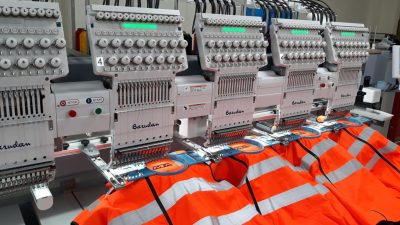
Manufacturers have an opportunity to invest in connected clothing that can collect data, improve performance, and enhance safety. In work environments, this could mean using garments that alert workers to potential dangers or monitor their stress levels during heavy labor, offering a new level of personal safety and productivity.
2. Direct-to-Consumer (D2C) Model
The shift toward direct-to-consumer (D2C) business models presents an exciting opportunity for sportswear and workwear manufacturers. By selling products directly through online platforms, manufacturers can engage with customers, collect valuable data, and create a more personalized shopping experience. With D2C, brands can also offer exclusive designs, customizations, and even limited-edition items to appeal to niche markets.
This shift also allows for better control over branding and marketing strategies, ensuring that products reflect the values and identity of the company.
3. Globalization and Supply Chain Optimization
As the global market for both sportswear and workwear expands, manufacturers are increasingly looking to optimize their supply chains. Leveraging global resources allows for cost-effective production and access to new materials and labor markets. However, efficient logistics and supply chain transparency are essential to avoid delays and reduce the impact of potential disruptions, such as geopolitical instability or natural disasters.
To mitigate risks, manufacturers are exploring nearshoring and reshoring options to reduce reliance on distant supply chains while maintaining cost competitiveness.
4. Sustainability and Ethical Manufacturing
Manufacturers in both the sportswear and workwear sectors face increasing pressure from consumers, regulators, and environmental organizations to adopt sustainable practices. From using eco-friendly materials to reducing waste during production, adopting circular fashion models, and ensuring fair labor practices, manufacturers must address sustainability at every stage of the supply chain.
By incorporating sustainability into their product offerings, manufacturers can differentiate their brands, appeal to environmentally-conscious consumers, and contribute to a positive global impact.
Challenges for Manufacturers
Despite the opportunities, manufacturers also face several challenges:
Cost Management: The demand for high-quality, sustainable materials often leads to increased production costs. Manufacturers must balance the need for innovative products with profitability, especially in an increasingly price-sensitive market.
Competition: The sportswear and workwear markets are highly competitive, with numerous established brands and new entrants vying for market share. Manufacturers must continuously innovate and differentiate their products to stay ahead.
Fast Supply Chain Disruptions: Global supply chain disruptions, as witnessed during the COVID-19 pandemic, highlight the need for greater resilience and agility. Manufacturers must find ways to ensure their supply chains remain stable in the face of unexpected challenges.
Conclusion
Sportswear and workwear manufacturing is undergoing significant transformation, driven by technological innovations, changing consumer preferences, and a heightened focus on sustainability. Manufacturers that embrace these changes and invest in smart technologies, customization, and eco-friendly production processes will be well-positioned for long-term success. By staying ahead of trends and focusing on quality, durability, and innovation, manufacturers can navigate the complexities of the modern market and continue to meet the evolving needs of consumers in both sports and work environments.